
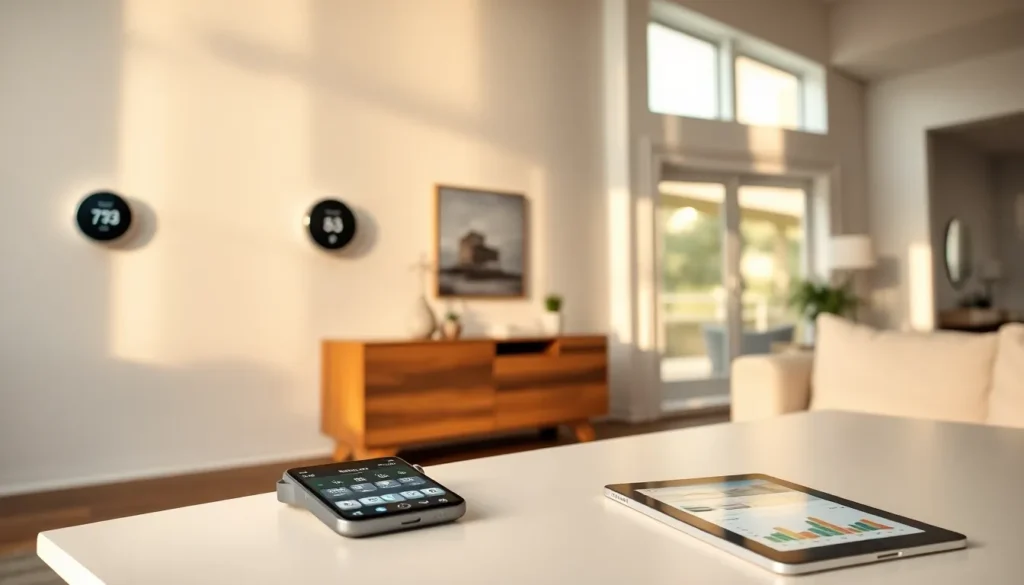
The best smart living tips help people save time, reduce stress, and improve their daily routines. Modern technology offers countless ways to automate tasks, manage money, and build healthier habits. These strategies don’t require a tech degree or a massive budget. They require intentional choices about how to use available tools.
This guide covers practical smart living tips that anyone can apply. From home automation to digital finance tools, each section provides actionable steps. Readers will learn how to work smarter, not harder, in every area of life.
Table of Contents
ToggleKey Takeaways
- The best smart living tips focus on automating repetitive tasks like lighting, thermostats, and bill payments to save time and reduce stress.
- Smart thermostats can save homeowners about $50 annually, while automated lighting cuts electricity bills by 10-15%.
- Budgeting apps and automatic savings transfers help users save 20% more money without constant effort.
- Task batching and calendar blocking reduce context switching, which can waste up to 40% of productive time.
- Wearable fitness trackers increase the likelihood of reaching health goals by 30% through accountability and data insights.
- Outsourcing low-value tasks and using grocery delivery services can reclaim 3-4 hours weekly for activities that matter most.
Automate Your Home for Effortless Comfort
Home automation stands as one of the best smart living tips for reducing daily friction. Smart devices handle repetitive tasks so homeowners can focus on what matters most.
Start With Smart Lighting
Smart bulbs and switches let users control lights from anywhere. They can schedule lights to turn on at sunset or wake them gently in the morning. Motion sensors add another layer of convenience, no more fumbling for switches with full hands. The average household can save 10-15% on electricity bills simply by automating lighting schedules.
Upgrade Your Thermostat
A smart thermostat learns household patterns and adjusts temperatures automatically. It lowers heating or cooling when no one is home and ensures comfort upon arrival. The U.S. Department of Energy estimates smart thermostats save homeowners about $50 annually on heating and cooling costs.
Voice Assistants Tie Everything Together
Devices like Amazon Echo or Google Nest Hub act as central command centers. Users can control multiple smart devices with simple voice commands. “Turn off all lights” or “Set the thermostat to 68 degrees” becomes second nature. These assistants also handle timers, reminders, and quick questions, small conveniences that add up throughout the day.
Security Made Simple
Smart locks, video doorbells, and security cameras provide peace of mind. Homeowners can check who’s at the door from anywhere, grant temporary access codes to guests, and receive alerts about unusual activity. This layer of automation removes the worry of “Did I lock the door?” from daily life.
Streamline Your Finances With Digital Tools
Financial management becomes easier with the right digital tools. These best smart living tips help people track spending, save automatically, and reach money goals faster.
Budgeting Apps That Actually Work
Apps like YNAB, Mint, and Copilot connect directly to bank accounts. They categorize spending, track bills, and show exactly where money goes each month. Users who actively track their finances save an average of 20% more than those who don’t. The visibility alone changes spending behavior.
Automate Savings and Investments
Automatic transfers remove the decision-making from saving. Users can set up recurring transfers from checking to savings accounts on payday. Apps like Acorns round up purchases and invest the spare change. This “set it and forget it” approach builds wealth without constant attention.
Bill Pay and Subscription Management
Missed payments hurt credit scores and cost money in late fees. Automated bill pay eliminates this risk entirely. Services like Rocket Money and Trim also identify forgotten subscriptions draining accounts. The average American spends $219 monthly on subscriptions, often on services they no longer use.
Digital Receipts and Expense Tracking
Paper receipts fade and get lost. Digital receipt apps capture and organize purchase records automatically. This proves invaluable during tax season or when returning items. Business owners especially benefit from automated expense categorization for deductions.
Optimize Your Time and Energy
Time optimization represents some of the best smart living tips available. Small changes in daily routines compound into significant time savings over weeks and months.
Calendar Blocking and Task Batching
Digital calendars do more than track appointments. Strategic calendar blocking dedicates specific time slots to focused work. Task batching groups similar activities together, checking email three times daily instead of constantly, for example. This approach reduces context switching, which research shows costs up to 40% of productive time.
Meal Planning and Grocery Automation
Meal planning apps suggest recipes based on dietary preferences and what’s already in the fridge. Services like Instacart and Amazon Fresh deliver groceries on schedule. Some families save 3-4 hours weekly by eliminating multiple grocery store trips. Meal prep on Sundays then provides ready-to-eat options throughout the week.
Digital Decluttering
Physical clutter gets attention, but digital clutter drains time too. Unsubscribing from unnecessary emails, organizing cloud storage, and deleting unused apps creates mental clarity. Tools like Unroll.Me combine newsletter subscriptions into single daily digests. A clean digital environment reduces decision fatigue and improves focus.
Outsource Low-Value Tasks
Smart living means recognizing that time has value. Services exist for nearly every time-consuming chore: laundry pickup, house cleaning, lawn care, and car maintenance. Calculating one’s hourly worth often reveals that outsourcing certain tasks makes financial sense.
Create Healthier Habits Through Technology
Technology can support physical and mental health when used intentionally. These best smart living tips leverage devices and apps to build sustainable healthy routines.
Wearable Fitness Trackers
Devices like Apple Watch, Fitbit, and Oura Ring track steps, heart rate, and sleep quality. The data provides accountability and reveals patterns users might not notice otherwise. Studies show people who track fitness activity are 30% more likely to reach their goals. The simple act of measurement motivates improvement.
Sleep Optimization Tools
Quality sleep affects every aspect of life. Smart mattresses and sleep trackers monitor sleep stages and room conditions. White noise machines and smart blinds create ideal sleeping environments. Apps like Sleep Cycle wake users during light sleep phases, reducing morning grogginess.
Meditation and Mental Health Apps
Apps like Headspace, Calm, and Waking Up make meditation accessible to beginners. They offer guided sessions as short as five minutes. Therapy platforms like BetterHelp and Talkspace connect users with licensed professionals through text or video. Mental health support has never been more accessible.
Hydration and Nutrition Tracking
Smart water bottles remind users to drink throughout the day. Nutrition apps like MyFitnessPal log meals and calculate macronutrients. These tools remove guesswork from healthy eating. Users gain awareness of their actual intake versus what they assume they consume.


