
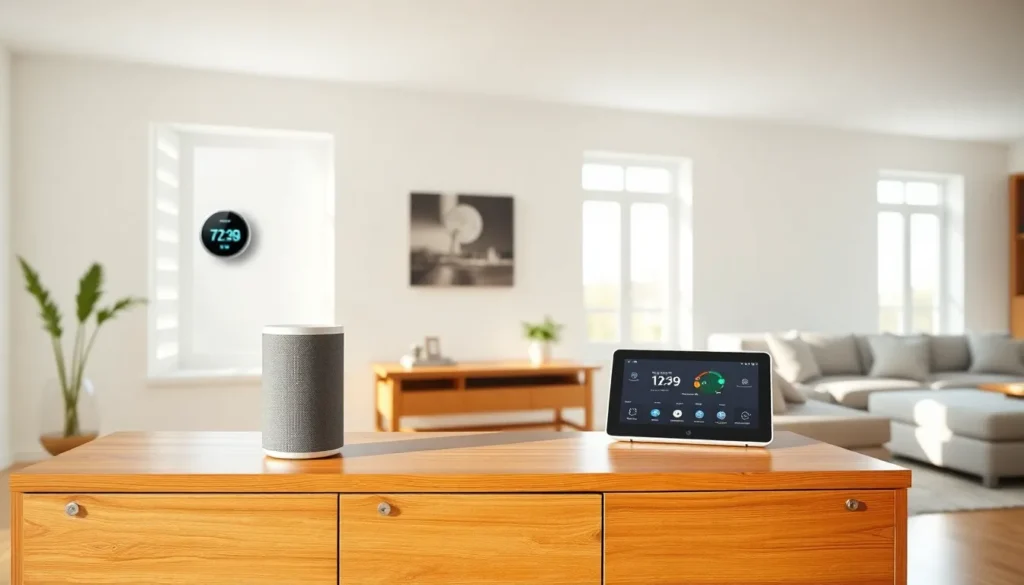
Smart living tips help people save time, reduce energy costs, and simplify daily routines. The average household spends over $2,000 annually on energy bills alone, much of which disappears through inefficient habits and outdated systems. By adopting smart living strategies, homeowners can cut these costs while creating a more comfortable environment.
This guide covers practical smart living tips that anyone can carry out. From smart home technology to energy-saving habits, these strategies deliver real results without requiring a complete lifestyle overhaul. Whether someone wants to automate their home or simply reduce their carbon footprint, these tips provide a clear path forward.
Table of Contents
ToggleKey Takeaways
- Smart living tips can reduce household energy costs by 10-30% through technology integration and efficient habits.
- Smart thermostats, LED lighting, and smart plugs are affordable upgrades that typically pay for themselves within two years.
- Simple energy-saving habits like adjusting thermostat settings and running full appliance loads require no investment but deliver consistent savings.
- Batching tasks, creating routines, and using the two-minute rule can save 2-3 hours per week and reduce daily stress.
- Weatherizing your home with caulk and weather stripping costs under $20 and can cut energy bills by 10-20%.
- Adopting smart living strategies helps reduce your carbon footprint by 20-30% without sacrificing comfort or convenience.
What Is Smart Living and Why It Matters
Smart living refers to using technology, efficient habits, and conscious choices to improve daily life. It combines automation, energy management, and organized routines into a unified approach. The goal is simple: work smarter, not harder.
Why does smart living matter? Consider these facts:
- Smart thermostats alone can reduce heating and cooling costs by 10-15% annually
- Automated lighting systems cut electricity waste by eliminating forgotten lights
- Organized routines save the average person 2-3 hours per week
Smart living tips address three core areas. First, they focus on technology integration, using devices that communicate and automate tasks. Second, they emphasize resource conservation through better energy and water management. Third, they promote habit optimization that eliminates wasted time and effort.
The benefits extend beyond financial savings. People who adopt smart living tips report lower stress levels and more free time. They spend less mental energy on routine decisions because automated systems handle repetitive tasks. A smart home remembers to adjust the thermostat, lock the doors, and turn off lights, so residents don’t have to.
Smart living also supports environmental goals. Households that carry out these strategies typically reduce their carbon footprint by 20-30%. That’s meaningful progress toward sustainability without sacrificing comfort or convenience.
Essential Smart Home Technology Tips
Smart home technology forms the foundation of modern smart living tips. These devices automate routine tasks and provide remote control over home systems. Here are the most impactful technologies to consider.
Smart Thermostats
A smart thermostat learns household patterns and adjusts temperatures automatically. It heats or cools the home only when needed, rather than running constantly. Popular options like Nest and Ecobee offer smartphone control, so users can adjust settings from anywhere. The investment typically pays for itself within two years through energy savings.
Voice Assistants and Smart Speakers
Devices like Amazon Echo and Google Home serve as central hubs for smart living. They control other smart devices through voice commands, set reminders, and answer questions instantly. Placing one in each main room creates a connected home where tasks happen through simple spoken requests.
Smart Lighting Systems
Smart bulbs and switches offer more than convenience, they provide real energy savings. Users can schedule lights to turn off automatically, dim them for energy efficiency, or control them remotely. Motion-sensing lights in hallways and bathrooms eliminate the “left the light on” problem entirely.
Smart Plugs and Power Strips
These affordable devices transform regular appliances into smart ones. A smart plug can turn a lamp, fan, or coffee maker into a connected device. Smart power strips cut phantom power drain, the energy devices consume even when turned off. This simple upgrade can save $100 or more annually.
Security and Monitoring Systems
Smart doorbells, cameras, and locks enhance both security and convenience. Video doorbells show who’s at the door via smartphone. Smart locks allow keyless entry and remote access for guests or service providers. These smart living tips provide peace of mind alongside practical benefits.
Energy-Saving Strategies for Everyday Life
Smart living tips extend beyond gadgets to include daily energy-saving habits. These strategies require little or no investment but deliver consistent savings.
Optimize Heating and Cooling
HVAC systems consume nearly half of a home’s energy. Simple adjustments make a significant difference:
- Set thermostats 2-3 degrees lower in winter and higher in summer
- Use ceiling fans to distribute air more efficiently
- Close vents in unused rooms
- Replace air filters every 1-3 months for optimal airflow
Reduce Water Heating Costs
Water heating accounts for about 18% of home energy use. Lower the water heater temperature to 120°F, it’s hot enough for showers and dishes while preventing scalding. Fix leaky faucets promptly: a single dripping faucet can waste 3,000 gallons annually.
Upgrade to LED Lighting
LED bulbs use 75% less energy than incandescent bulbs and last 25 times longer. Replacing the five most-used lights in a home with LEDs saves approximately $75 per year. It’s one of the simplest smart living tips with immediate returns.
Manage Appliance Usage
Run dishwashers and washing machines with full loads only. Use cold water for laundry when possible, heating water accounts for 90% of washing machine energy use. Unplug chargers and small appliances when not in use to eliminate standby power consumption.
Weatherize the Home
Sealing air leaks around windows and doors prevents heated or cooled air from escaping. Weather stripping and caulk cost under $20 and can reduce energy bills by 10-20%. Adding insulation to attics provides even greater savings in extreme climates.
Simple Habits to Streamline Your Daily Routine
Smart living tips aren’t just about technology and energy, they also involve habits that save time and reduce stress. These routine optimizations help people reclaim hours each week.
Batch Similar Tasks Together
Grouping similar activities improves efficiency. Instead of checking email throughout the day, designate specific times for inbox management. Prepare meals for the week in one cooking session. Handle all errands in a single trip rather than multiple outings.
Create Morning and Evening Routines
Consistent routines reduce decision fatigue. Laying out clothes the night before saves 10-15 minutes each morning. A standard evening routine, preparing the next day’s bag, reviewing the calendar, setting out essentials, prevents rushed mornings and forgotten items.
Declutter and Organize Strategically
A cluttered space wastes time. People spend an average of 2.5 days per year looking for lost items. Smart living tips suggest assigning a specific home for frequently used items. Keys, wallets, and phones should always go in the same spot.
Automate Recurring Tasks
Set up automatic bill payments to avoid late fees and save time. Use calendar apps with reminders for appointments and deadlines. Subscribe to automatic delivery for household essentials like cleaning supplies and toiletries.
Use the Two-Minute Rule
If a task takes less than two minutes, do it immediately. This prevents small tasks from piling up into overwhelming to-do lists. Responding to a quick email, putting dishes in the dishwasher, or filing a document takes less time than remembering to do it later.


