
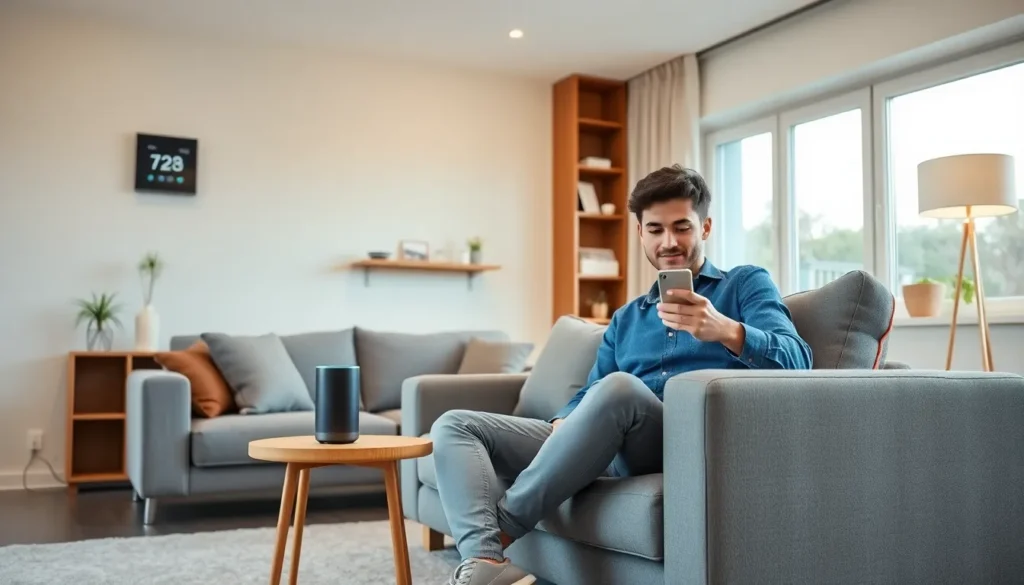
Smart living tips for beginners can transform how people interact with their homes. The concept sounds technical, but it’s actually straightforward. Smart living means using connected devices to automate everyday tasks, save energy, and add convenience to daily routines.
Many people hesitate because they think smart homes require expensive equipment or technical expertise. That’s a myth. Anyone can start with a single device and build from there. This guide breaks down the essentials, what smart living means, which devices to buy first, how to set everything up, and the mistakes to avoid along the way.
Table of Contents
ToggleKey Takeaways
- Smart living tips for beginners start with choosing one device—like a smart speaker or plug—and building from there.
- Pick a single ecosystem (Alexa, Google Home, or Apple HomeKit) to avoid compatibility issues between devices.
- Smart thermostats can reduce heating and cooling costs by 10-15% annually, often paying for themselves within two years.
- Create simple routines first, such as automating lights at sunset, before adding more complex automations.
- Always verify device compatibility, use strong passwords, and enable two-factor authentication to keep your smart home secure.
- Start with one room to build confidence before expanding smart living features throughout your home.
What Is Smart Living and Why It Matters
Smart living refers to using internet-connected devices that communicate with each other and respond to commands. These devices include smart speakers, thermostats, lights, locks, and cameras. They connect through Wi-Fi or Bluetooth and can be controlled via smartphone apps or voice assistants like Alexa, Google Assistant, or Siri.
Why does this matter? Three main reasons stand out.
First, convenience. Imagine adjusting the thermostat from bed or turning off lights without leaving the couch. Smart devices handle small tasks that add up throughout the day.
Second, energy savings. Smart thermostats learn household patterns and adjust heating or cooling automatically. Smart plugs can cut power to devices that drain energy when not in use. Studies show smart thermostats alone can reduce heating and cooling costs by 10-15% annually.
Third, security. Smart cameras, doorbells, and locks let homeowners monitor their property from anywhere. Motion alerts send notifications directly to smartphones, giving peace of mind whether someone is home or traveling.
Smart living tips for beginners focus on starting small. There’s no need to automate an entire house on day one. One device can make a noticeable difference.
Essential Smart Devices to Start With
Beginners often wonder which smart devices offer the best value. Here are five options that deliver immediate benefits without a steep learning curve.
Smart Speaker or Display
A smart speaker serves as the control center for most smart homes. Amazon Echo, Google Nest, and Apple HomePod are popular choices. They respond to voice commands, play music, answer questions, and control other connected devices. For beginners exploring smart living tips, this is often the logical first purchase.
Smart Plugs
Smart plugs cost around $15-25 and turn any regular appliance into a smart device. Plug a lamp or fan into one, and it becomes controllable via app or voice. They’re an affordable way to test smart living without major investment.
Smart Light Bulbs
Brands like Philips Hue, LIFX, and Wyze offer bulbs that dim, change colors, and operate on schedules. Replacing a few bulbs in high-traffic areas creates an immediate sense of automation.
Smart Thermostat
Nest, Ecobee, and Honeywell make thermostats that learn preferences over time. They adjust temperatures based on occupancy and weather forecasts. The energy savings typically pay for the device within a year or two.
Smart Doorbell
Ring and Google Nest doorbells show who’s at the door via smartphone notification. They record video clips and allow two-way communication. For security-conscious beginners, this device offers clear value.
Setting Up Your First Smart Home System
Setting up a smart home system takes less time than most people expect. Follow these steps to get started.
Step 1: Choose an Ecosystem
Pick one platform, Amazon Alexa, Google Home, or Apple HomeKit, and stick with it. Each ecosystem works best with compatible devices. Mixing platforms creates connection issues and limits automation options.
Step 2: Check Your Wi-Fi
Smart devices depend on stable internet. Older routers may struggle with multiple connected devices. Consider upgrading to a mesh Wi-Fi system if the home has dead zones or slow speeds in certain areas.
Step 3: Download the Right Apps
Most smart devices require their own app for initial setup. Download the app, create an account, and follow the on-screen instructions. The process usually takes 5-10 minutes per device.
Step 4: Connect to the Central Hub
After individual setup, link each device to the smart speaker or display. This allows voice control and lets devices communicate with each other.
Step 5: Create Routines
Routines automate multiple actions with a single command. For example, saying “Good morning” could turn on lights, read the weather forecast, and start the coffee maker. Both Alexa and Google Assistant make routine creation simple through their apps.
Smart living tips for beginners emphasize patience during setup. Initial configuration takes time, but the convenience pays off quickly.
Practical Tips for Everyday Smart Living
Once devices are installed, these practical strategies help maximize their usefulness.
Start with one room. The living room or bedroom works well. Master those devices before expanding to other areas. This prevents overwhelm and builds confidence.
Use schedules liberally. Set lights to turn on at sunset and off at bedtime. Schedule the thermostat to lower temperatures during work hours. Automation works best when it runs without daily input.
Group devices logically. Create groups like “Living Room Lights” or “Upstairs Devices” within the app. Grouped devices respond to single commands, making control faster.
Enable away modes. Most security cameras and smart lights offer away settings that simulate occupancy. Random light patterns deter potential intruders when no one is home.
Review energy reports. Smart plugs and thermostats track energy usage over time. Check these reports monthly to identify devices that waste power.
Update firmware regularly. Manufacturers release updates that fix bugs and improve security. Enable automatic updates or check manually every few weeks.
These smart living tips help beginners build habits that make automation feel natural rather than complicated.
Common Mistakes Beginners Should Avoid
New smart home users often make preventable errors. Here’s what to watch out for.
Buying incompatible devices. Not all smart devices work with every ecosystem. Before purchasing, verify compatibility with the chosen platform. Check product listings for “Works with Alexa” or “Works with Google Assistant” badges.
Ignoring security basics. Smart devices can be vulnerable to hacking if improperly secured. Use strong, unique passwords for each account. Enable two-factor authentication wherever available. Keep firmware updated.
Overcomplicating routines. Complex automations often break or behave unexpectedly. Start with simple routines and add complexity gradually. A routine that fails regularly becomes frustrating rather than helpful.
Skipping the manual. Quick-start guides contain important information about features and limitations. Spending five minutes reading instructions prevents hours of troubleshooting later.
Neglecting internet speed. Adding many devices strains bandwidth. Monitor network performance after adding new equipment. Slow response times often indicate Wi-Fi congestion rather than device problems.
Expecting perfection. Voice assistants mishear commands occasionally. Devices disconnect sometimes. Smart living improves daily life, but it doesn’t eliminate every inconvenience. Patience helps.
Avoiding these mistakes saves time, money, and frustration. Smart living tips for beginners work best when combined with realistic expectations.


