
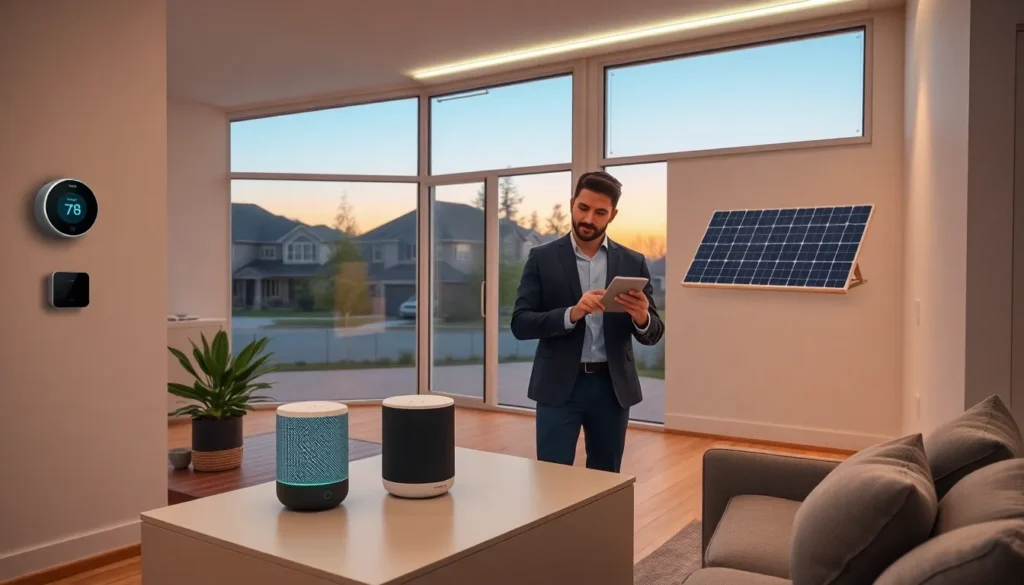
Smart living tips and trends in 2026 are reshaping how people interact with their homes. Technology has moved beyond simple convenience. Today’s smart homes learn habits, reduce energy waste, and support personal health goals.
The average household now uses seven connected devices. That number will grow as prices drop and features improve. From AI assistants that predict needs to solar systems that sell power back to the grid, smart living offers real benefits.
This guide covers the most important smart living tips and trends for 2026. Readers will learn about automation advances, sustainable solutions, health technology, energy savings, and practical steps to upgrade any home.
Table of Contents
ToggleKey Takeaways
- Smart living tips for 2026 focus on AI-powered automation that learns your habits and anticipates your needs, saving time and mental energy.
- Sustainable smart home solutions like smart irrigation and solar battery systems can reduce water use by 50% and generate energy savings.
- Health-focused technology, including air quality monitors and circadian lighting, actively supports physical and mental wellness at home.
- Energy management tools like smart thermostats typically pay for themselves within two years through reduced utility bills.
- Start your smart living journey with high-impact devices like thermostats and lighting, and build on a reliable Wi-Fi foundation.
- Prioritize security by using unique passwords, enabling two-factor authentication, and keeping device firmware updated.
AI-Powered Home Automation Advances
Artificial intelligence has transformed home automation in 2026. Smart systems now anticipate needs rather than wait for commands.
Modern AI assistants learn daily routines within weeks. They adjust lighting before sunset, preheat ovens before dinner prep, and lock doors when residents leave. This predictive behavior saves time and reduces mental load.
Voice control has become more natural. Users can speak in conversational sentences rather than rigid commands. A request like “make the living room cozy” triggers a combination of dimmed lights, warmer thermostat settings, and background music.
Key Automation Features in 2026
- Contextual awareness: Systems use multiple sensors to understand what’s happening. Motion, sound, temperature, and even air quality data combine to inform decisions.
- Multi-device coordination: Appliances communicate with each other. The washing machine knows when electricity rates are lowest. The refrigerator tracks expiration dates and suggests recipes.
- Personalized profiles: Different household members get different experiences. The system recognizes individuals by voice, gait, or phone proximity.
Smart living tips for AI adoption include starting with a single ecosystem. Mixing too many brands creates compatibility issues. Popular platforms like Google Home, Amazon Alexa, and Apple HomeKit offer good device support.
Privacy matters too. Users should review data collection policies and disable features they don’t need. Local processing options keep sensitive information off cloud servers.
Sustainable Smart Home Solutions
Sustainability drives many smart living trends in 2026. Consumers want technology that helps the planet, not just their schedules.
Smart irrigation systems have become standard in eco-conscious homes. These devices monitor soil moisture, weather forecasts, and plant types. They water only when needed, cutting outdoor water use by up to 50%.
Solar panel integration has improved dramatically. Modern systems include battery storage that powers homes through the night. Some setups sell excess energy back to utility companies, turning homes into small power plants.
Eco-Friendly Smart Devices
- Smart thermostats: These devices learn heating and cooling patterns. They reduce HVAC energy use by 10-15% on average.
- LED smart bulbs: Programmable lighting uses 75% less energy than traditional bulbs. Motion sensors prevent lights from staying on in empty rooms.
- Water leak detectors: Early detection prevents waste and property damage. Smart sensors alert homeowners immediately when problems occur.
- Composting monitors: New sensors track moisture and temperature in compost bins. They notify users when conditions need adjustment.
Smart living tips for sustainability include setting clear goals. Some households prioritize water conservation. Others focus on reducing electricity bills. Choosing devices that match specific priorities delivers better results.
Certifications matter when shopping. Energy Star ratings and similar labels identify efficient products. These devices often qualify for utility rebates or tax credits.
Health and Wellness Technology Integration
Health-focused smart living trends have expanded in 2026. Homes now actively support physical and mental wellness.
Sleep technology leads this category. Smart mattresses adjust firmness throughout the night. They track sleep stages and wake users during light sleep phases. Connected bedroom systems control temperature, light, and sound for optimal rest.
Air quality monitoring has become mainstream. Sensors detect pollutants, allergens, and humidity levels. Connected purifiers and humidifiers respond automatically. People with asthma or allergies report significant improvements.
Wellness Features Worth Considering
- Circadian lighting: Bulbs shift color temperature throughout the day. Bright, blue-tinted light in mornings promotes alertness. Warm tones in evenings support natural melatonin production.
- Smart fitness equipment: Connected treadmills, bikes, and mirrors offer guided workouts. They sync with health apps to track progress over time.
- Meditation spaces: Automated rooms create calming environments. Lighting, sound, and scent diffusers work together for stress relief.
- Posture monitors: Desk sensors remind users to adjust sitting positions. Some integrate with standing desk controllers.
Smart living tips for health technology include starting small. A single air quality sensor provides valuable data. Users can expand systems based on results.
Data privacy requires attention here. Health information is sensitive. Users should choose devices from companies with clear data policies and strong security records.
Energy Management and Cost Savings
Energy management represents one of the most practical smart living trends for 2026. Rising utility costs make efficiency a priority for most households.
Smart meters provide real-time consumption data. Users see exactly which devices use the most power. This visibility often leads to behavior changes that cut bills by 5-15%.
Time-of-use pricing has spread to more utility companies. Smart systems shift heavy electrical loads to off-peak hours. Dishwashers, dryers, and EV chargers run when rates are lowest.
Money-Saving Smart Features
- Occupancy-based climate control: Systems reduce heating and cooling in empty rooms. Some learn schedules and pre-condition spaces before arrival.
- Phantom load eliminators: Smart power strips cut power to devices in standby mode. This prevents the energy waste from chargers and electronics that drain power even when off.
- Solar battery optimization: AI manages when to store, use, or sell solar energy. It factors in weather forecasts, rate schedules, and household needs.
- Appliance efficiency tracking: Smart plugs identify aging devices that consume excess power. Replacing an inefficient refrigerator can save hundreds annually.
Smart living tips for energy savings include conducting an energy audit first. Many utilities offer free assessments. These identify the biggest opportunities for improvement.
Payback periods vary by device. Smart thermostats typically recover their cost within two years. More expensive systems like solar batteries take longer but offer greater long-term savings.
Practical Tips for Adopting Smart Living in 2026
Getting started with smart living doesn’t require a complete home overhaul. Strategic choices deliver results without overwhelming budgets or patience.
Start With High-Impact Devices
Smart thermostats offer the best return on investment for most homes. They’re relatively affordable, easy to install, and deliver measurable savings. Smart lighting comes next, it’s visible, fun to use, and helps build comfort with connected technology.
Build a Foundation First
A reliable Wi-Fi network supports everything else. Mesh router systems eliminate dead spots and handle dozens of devices. Users should upgrade their network before adding smart devices.
Choose a primary ecosystem early. Switching platforms later means replacing devices and relearning systems. Research compatibility before purchasing.
Security Best Practices
Strong passwords protect smart homes. Each device needs a unique credential. Two-factor authentication adds another layer of protection.
Firmware updates close security gaps. Enable automatic updates when possible. Check manually for devices that don’t update themselves.
Budget-Friendly Approaches
Refurbished smart devices work well for most applications. Major retailers sell certified products at significant discounts.
Start with one room. A smart bedroom or living room demonstrates benefits without major investment. Success builds enthusiasm for expansion.
These smart living tips help families adopt technology at a comfortable pace. The trends of 2026 reward thoughtful implementation over impulse buying.


