
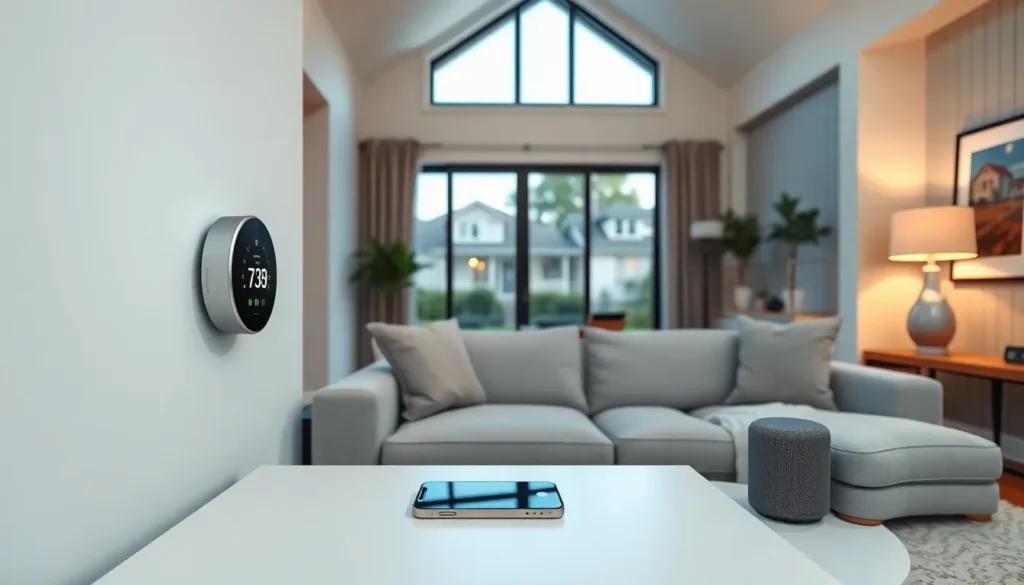
Smart living tips vs traditional living, it’s a debate many homeowners face today. Technology now offers ways to automate daily tasks, cut energy bills, and boost home security. But traditional living still appeals to those who value simplicity and lower upfront costs. This article breaks down the key differences between these two lifestyles. Readers will learn about costs, environmental impact, and practical steps for making a switch. By the end, anyone can decide which approach fits their needs best.
Table of Contents
ToggleKey Takeaways
- Smart living tips vs traditional living comes down to convenience, cost, and long-term savings—smart devices have higher upfront costs but can save $100-$150 annually on energy bills.
- Smart thermostats, lighting, and security systems offer remote control and automation, while traditional setups require manual adjustments and physical presence.
- Environmental benefits favor smart living, as devices like smart thermostats and irrigation systems reduce energy waste and water consumption significantly.
- Start your transition to smart living with high-impact items like a smart thermostat, then gradually add lighting and security upgrades.
- Traditional living remains viable for those prioritizing simplicity, lower upfront costs, and independence from internet connectivity.
- Homes with smart features attract buyers willing to pay a premium, with 77% of homebuyers preferring properties equipped with smart technology.
What Is Smart Living?
Smart living refers to using connected devices and automation to manage a home more efficiently. This includes smart thermostats, lighting systems, security cameras, and voice-controlled assistants. These devices communicate through Wi-Fi or other networks, allowing users to control them remotely via smartphone apps.
The core idea behind smart living tips vs traditional methods is convenience. A smart thermostat learns a household’s schedule and adjusts temperatures automatically. Smart lights can turn on at sunset or respond to voice commands. Security systems send real-time alerts to phones when motion is detected.
Traditional living, by contrast, relies on manual controls and standalone appliances. Homeowners adjust thermostats by hand, flip light switches, and check locks before leaving. There’s nothing inherently wrong with this approach, it’s worked for generations. But, it requires more daily attention and offers fewer automation benefits.
Smart living also extends beyond gadgets. It includes habits like tracking energy usage through apps, using smart plugs to eliminate phantom power draw, and setting up routines that optimize daily tasks. The goal is to make homes more responsive to residents’ needs while reducing waste.
Key Differences Between Smart and Traditional Living
The differences between smart living tips vs traditional approaches show up in several areas. Here’s a quick breakdown:
Control and Convenience
Smart homes offer remote control. Users can lock doors, adjust lighting, or check security feeds from anywhere. Traditional homes require physical presence for these tasks.
Energy Management
Smart devices track and optimize energy use in real time. Traditional setups lack this visibility, making it harder to identify waste.
Security Features
Smart security includes motion sensors, video doorbells, and instant alerts. Traditional security often means basic locks and perhaps a standalone alarm system.
Learning Capabilities
Many smart devices learn user patterns over time. A smart thermostat adjusts based on when people are typically home. Traditional systems don’t adapt without manual reprogramming.
Maintenance Requirements
Smart systems need software updates and occasional troubleshooting. Traditional appliances are generally simpler to maintain but may lack efficiency improvements.
One important consideration: smart systems depend on reliable internet. Power outages or network issues can temporarily disable features. Traditional setups don’t have this vulnerability, which some homeowners see as an advantage.
Cost Comparison and Long-Term Savings
Cost is often the first thing people consider when weighing smart living tips vs traditional options. Smart devices typically have higher upfront prices. A basic smart thermostat costs between $100 and $250, while a traditional model might run $25 to $50.
But, the long-term picture looks different. According to the U.S. Department of Energy, smart thermostats can save homeowners about 10-12% on heating and 15% on cooling costs annually. For an average household, that translates to roughly $100-$150 in yearly savings.
Smart lighting offers similar benefits. LED smart bulbs use up to 75% less energy than incandescent options. They also last significantly longer, often 15,000 to 25,000 hours compared to 1,000 hours for traditional bulbs.
Here’s a simple cost breakdown:
| Item | Traditional Cost | Smart Cost | Annual Savings |
|---|---|---|---|
| Thermostat | $25-$50 | $100-$250 | $100-$150 |
| Lighting (per bulb) | $1-$5 | $15-$30 | $10-$20 |
| Power strips | $10-$20 | $25-$40 | $50-$100 |
The payback period for most smart devices ranges from one to three years. After that, savings accumulate. Traditional living avoids upfront costs but misses these ongoing benefits.
Smart living tips vs traditional approaches also differ in resale value. Homes with smart features often attract buyers willing to pay a premium. A 2023 survey found that 77% of homebuyers preferred properties with smart home technology.
Environmental Impact and Sustainability
Environmental concerns play a growing role in the smart living tips vs traditional living debate. Smart technology can significantly reduce a household’s carbon footprint.
Smart thermostats prevent energy waste by heating or cooling only when needed. Traditional systems often run on fixed schedules, regardless of whether anyone is home. This difference adds up. The EPA estimates that widespread smart thermostat adoption could reduce residential energy consumption by billions of kilowatt-hours annually.
Smart irrigation systems provide another example. These devices monitor weather forecasts and soil moisture levels, watering lawns only when necessary. Traditional sprinkler systems run on timers and often overwater, wasting both water and money.
Smart power strips address phantom energy loads, the electricity devices draw while turned off but still plugged in. These “vampire” loads account for 5-10% of residential electricity use. Smart strips cut power to devices automatically, eliminating this waste.
That said, smart living isn’t without environmental costs. Manufacturing electronic devices requires resources and energy. E-waste from outdated gadgets poses disposal challenges. Responsible smart living means choosing durable products and recycling old devices properly.
Traditional living can be sustainable too. Using manual controls, air-drying clothes, and choosing energy-efficient appliances all reduce environmental impact without technology. The best approach often combines smart solutions where they offer clear benefits with traditional methods elsewhere.
Making the Transition to Smarter Living
Transitioning from traditional to smart living doesn’t require a complete home overhaul. Most people find success by starting small and adding devices gradually.
Start with High-Impact Items
A smart thermostat delivers immediate savings and convenience. It’s often the best first purchase for those exploring smart living tips vs traditional setups. Installation is straightforward for most HVAC systems.
Add Smart Lighting Next
Smart bulbs or switches offer quick wins. Start with high-traffic areas like living rooms and kitchens. Many users appreciate setting schedules or controlling lights by voice.
Consider Security Upgrades
Video doorbells and smart locks improve safety without major installation work. Most devices connect to existing doorbell wiring or run on batteries.
Build Routines Gradually
Smart home platforms like Google Home, Amazon Alexa, or Apple HomeKit allow users to create automated routines. A “goodnight” routine might lock doors, turn off lights, and lower the thermostat. These routines save time and ensure consistency.
Evaluate Compatibility
Before purchasing, check that devices work with existing platforms. Some smart products only function within specific ecosystems. Reading reviews and checking compatibility lists prevents frustration.
Set a Budget
Smart living tips vs traditional approaches differ most in initial costs. Setting a yearly budget for upgrades keeps spending manageable. Many homeowners allocate $200-$500 annually for new smart devices.
Patience matters. There’s no need to automate everything at once. The best smart homes evolve over time based on actual needs rather than trends.


