
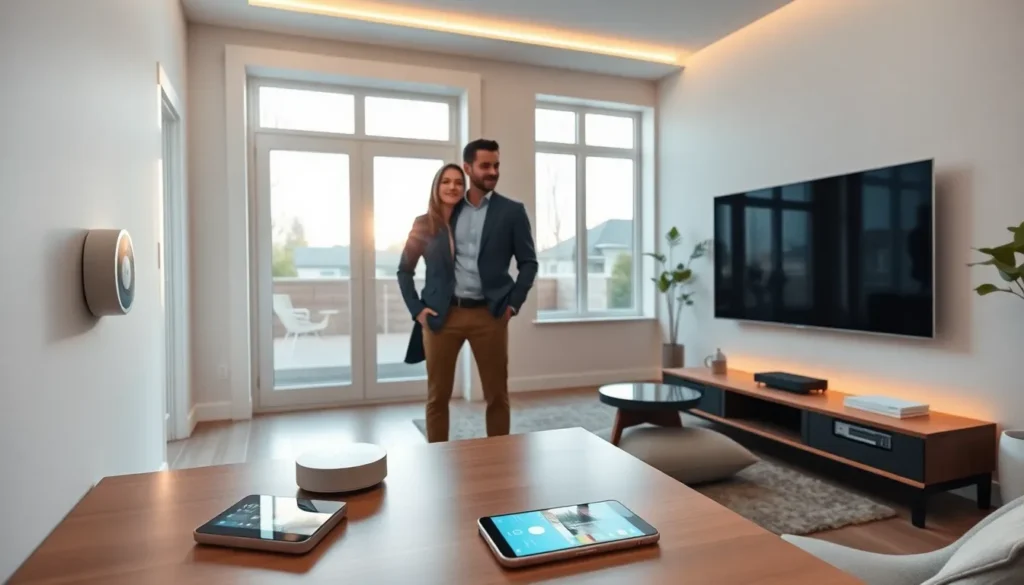
Smart living tips can transform any house into an efficient, connected home. Technology now handles tasks that once required constant attention. Thermostats learn schedules. Lights respond to voice commands. Security cameras send alerts directly to smartphones. These advances save time, reduce energy bills, and add convenience to daily life.
This guide covers practical ways to upgrade a home with smart technology. Readers will discover how to automate routines, cut energy costs, improve security, create healthier spaces, and streamline entertainment. Each section offers actionable advice that works for beginners and tech enthusiasts alike.
Table of Contents
ToggleKey Takeaways
- Smart living tips help automate daily routines, reduce energy bills, and improve home security through connected technology.
- Smart thermostats can save homeowners up to 10% annually on heating and cooling costs by learning household patterns.
- Voice assistants and smart hubs serve as control centers, allowing you to manage lights, locks, and climate with a single command.
- Connected security devices like smart locks and video doorbells provide real-time alerts and remote access for better home protection.
- Air quality monitors and smart purifiers automatically adjust to maintain healthier indoor environments.
- Mesh Wi-Fi systems eliminate dead zones to support seamless streaming, gaming, and multi-device connectivity throughout your home.
Automate Your Daily Routines
Automation eliminates repetitive tasks and frees up valuable time. Smart living tips often start here because the benefits are immediate and noticeable.
Smart Hubs and Voice Assistants
A smart hub acts as the control center for connected devices. Popular options include Amazon Echo, Google Nest Hub, and Apple HomePod. These devices respond to voice commands and coordinate multiple systems. A single phrase can turn off lights, lock doors, and lower the thermostat.
Voice assistants also handle everyday questions, set reminders, and manage calendars. They integrate with apps for groceries, weather updates, and traffic reports.
Morning and Evening Routines
Programmable routines bring structure without effort. A morning routine might open smart blinds at 6:30 AM, start the coffee maker, and play a news briefing. An evening routine could dim lights, activate the security system, and set the thermostat for sleep.
These automations run on schedules or triggers. Motion sensors can start routines when someone enters a room. Geofencing activates settings when residents leave or arrive home.
Smart Plugs and Switches
Smart plugs convert standard appliances into connected devices. A lamp, fan, or space heater gains remote control and scheduling capabilities. Smart switches replace traditional wall switches and offer dimming features.
Both options work with voice assistants and smartphone apps. They provide an affordable entry point for anyone exploring smart living tips.
Optimize Energy Consumption With Smart Devices
Energy efficiency ranks among the most popular smart living tips. Smart devices monitor usage, reduce waste, and lower utility bills.
Smart Thermostats
Smart thermostats learn household patterns and adjust temperatures automatically. The Nest Learning Thermostat and Ecobee SmartThermostat are leading choices. They detect when rooms are empty and reduce heating or cooling accordingly.
Many utility companies offer rebates for smart thermostat installation. The U.S. Department of Energy estimates that programmable thermostats can save homeowners up to 10% annually on heating and cooling costs.
LED Bulbs and Smart Lighting
Smart LED bulbs use less energy than traditional incandescent bulbs. They also offer dimming, color changes, and scheduling. Philips Hue and LIFX provide extensive product lines with app control.
Motion-activated lighting ensures lights turn off in empty rooms. This simple change reduces electricity consumption significantly over time.
Energy Monitoring Systems
Whole-home energy monitors track electricity usage in real time. Devices like Sense and Emporia Vue identify which appliances consume the most power. This data helps homeowners make informed decisions about usage habits.
Smart power strips cut phantom power, the energy devices draw when turned off but still plugged in. Electronics like televisions, gaming consoles, and chargers contribute to phantom load.
Enhance Home Security Through Connected Technology
Security-focused smart living tips protect families and property. Connected devices provide monitoring, alerts, and remote access.
Smart Locks and Doorbells
Smart locks eliminate the need for physical keys. Residents unlock doors with codes, smartphones, or fingerprints. Temporary codes grant access to guests, dog walkers, or delivery services. Activity logs show who entered and when.
Video doorbells like Ring and Google Nest Doorbell capture footage of visitors. Two-way audio allows conversations with anyone at the door. Motion detection sends alerts even when no one rings the bell.
Security Cameras and Monitoring
Indoor and outdoor cameras provide visual surveillance. Cloud storage saves recordings for later review. Many cameras feature night vision, motion zones, and person detection to reduce false alerts.
Professional monitoring services offer 24/7 response capabilities. Self-monitoring through smartphone apps gives homeowners direct control without monthly fees.
Integrated Security Systems
Comprehensive systems combine cameras, sensors, and alarms. Door and window sensors detect unauthorized entry. Glass break sensors respond to specific sound frequencies. Smoke and carbon monoxide detectors connect to the same network for unified alerts.
These systems work together through a central app. Homeowners receive notifications and can view camera feeds from anywhere.
Create a Healthier Living Environment
Health-conscious smart living tips address air quality, water, and overall wellness. Smart devices monitor conditions and make automatic adjustments.
Air Quality Monitors and Purifiers
Indoor air quality monitors measure pollutants, humidity, and temperature. Devices from Awair and AirThings display real-time data on screens or apps. They detect VOCs, particulate matter, and carbon dioxide levels.
Smart air purifiers respond to detected pollutants. They increase fan speed when air quality drops and return to quiet mode when conditions improve. Integration with HVAC systems provides whole-home purification.
Smart Humidifiers and Dehumidifiers
Proper humidity levels affect comfort and health. Smart humidifiers add moisture during dry winter months. Smart dehumidifiers remove excess moisture that encourages mold growth.
These devices maintain target humidity ranges automatically. App controls allow adjustments from any location.
Water Quality and Leak Detection
Smart water monitors test for contaminants and track usage. Leak detectors placed near water heaters, washing machines, and under sinks send immediate alerts. Early detection prevents costly water damage.
Some systems automatically shut off the main water supply when they detect a leak. This feature provides protection even when residents are away.
Simplify Entertainment and Communication
Entertainment-focused smart living tips bring convenience and fun to connected homes. Streaming, gaming, and communication all benefit from smart technology.
Streaming and Media Integration
Smart TVs connect directly to streaming services like Netflix, Hulu, and Disney+. Devices like Roku, Apple TV, and Amazon Fire TV add streaming capabilities to older televisions. Voice control lets viewers search for content, adjust volume, and switch inputs hands-free.
Multi-room audio systems play music throughout the home. Sonos and Bose offer speakers that sync perfectly across rooms. Residents can play the same song everywhere or different music in each space.
Smart Displays and Video Calling
Smart displays combine voice assistants with touchscreens. They show recipes, play videos, and make video calls. Google Nest Hub Max and Amazon Echo Show lead this category.
Video calling keeps families connected. These devices make it easy to check in with relatives or join virtual meetings from the kitchen counter.
Gaming and Network Optimization
Mesh Wi-Fi systems eliminate dead zones and provide consistent coverage. Eero, Google Nest Wifi, and Netgear Orbi create strong networks that support multiple devices simultaneously.
Gaming benefits from prioritized bandwidth and low latency. Many mesh systems include gaming modes that optimize performance during play sessions.


